

When school systems rely on removal instead of redesign, students quietly disappear from classrooms and reappear in courtrooms. K12Cell Inc. exists to interrupt that process.
We partner with schools, families, and communities to redesign discipline systems so students stay connected to learning, adults retain judgment, and accountability builds capacity instead of exclusion.
The Problem
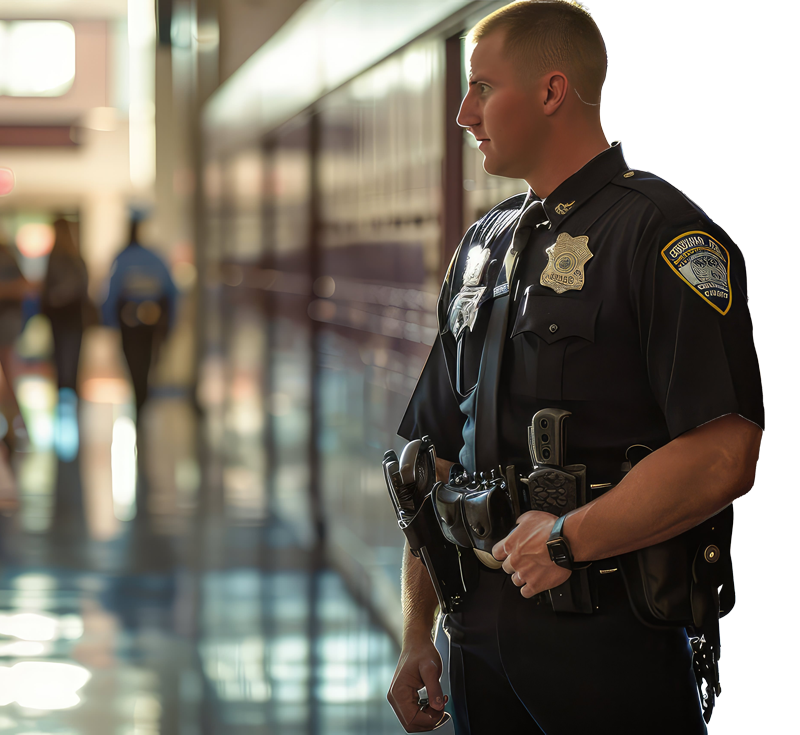
Across the country, discipline is no longer a response — it is a pathway. Suspensions, exclusions, referrals, and attendance enforcement operate less like interventions and more like exit ramps. These decisions are often quiet, policy-driven, and cumulative — yet their consequences are permanent.
This is the School-to-Prison Pipeline, not as a slogan, but as a system.
The Real Failure
The pipeline is not caused by student behavior alone. It is produced by design: – Policies that remove discretion – Labels that replace understanding – Systems that reward exclusion – Adults forced to act without capacity
When judgment disappears, removal becomes routine.
What We Do
K12Cell works at the point where decisions are made.
-
We help districts redesign discipline systems
-
We train educators to interrupt exclusion in real time
-
We strengthen family partnerships before crises
-
We build mentorship and accountability structures that stabilize students
Our Mission
Why K12Cell Exists
For decades, discipline policies have shifted from human judgment to automated responses. What began as accountability became removal. What was intended as safety became surveillance. And what was framed as support became identity.
K12Cell exists to reverse that trajectory.
Our Origin
This organization was not born from theory alone. It emerged from watching patterns repeat.
What became clear was this: the pipeline is built long before court involvement. It begins with ordinary decisions made inside schools, often by adults with limited options and even less support.
Our Belief
We believe: – Students are not disposable – Behavior is communication – Families are assets, not obstacles – Accountability without capacity is failure – Systems must be redesigned, not defended.
Our Approach
K12Cell focuses on system redesign rather than individual blame. Our work centers on: • Early identification of exclusion patterns • Interruption at key decision points • Adult stabilization through training and coaching • Structural redesign of discipline pathways • Measurement that reflects real outcomes.
What Makes Us Different
We do not offer programs that sit on top of broken systems. We help schools examine how discipline actually operates — day to day, classroom to classroom — and redesign it so exclusion is no longer the default response.
Our Commitment
Our commitment is to keep students connected to learning, keep adults equipped to respond wisely, and keep discipline from becoming destiny.
The Pipeline (Education Hub)
A public-facing learning section adapted directly from the book
Section 1: How the Pipeline Is Built
Policy – Process – Removal – Labels, courts, and surveillance – When safety becomes suspicion
Section 2: Living Inside The System
Internalized labels – Poverty as context – Attendance, behavior, and academics braided together
Section 3: Adult Power & Classroom Decisions
Gatekeepers vs Pathbuilders – Bias at the classroom crossroads.
Section 4: The Cost of Removal
– What schools lose
– What students carry
– What communities pay.
Section 5: Interruptions That Work
Families as stabilizers – Mentorship as system design – Justice partnerships done right
Each section includes: – Short explainer article – Key takeaway – Practical implication.
What We Do (Programs)
1: School & District Redesign Partnerships
- Discipline audits
- S2PP rubric implementation
- Policy-to-practice alignment
2: Educator Training & Coaching
- Decision-making under pressure
- De-escalation & restorative discipline
- IDEA-aligned behavior supports
3: Student Reconnection Supports
- Attendance stabilization
- Behavior plan redesign
- Re-entry after removal
4: Family Partnership & Trust Building
- Conference redesign
- Advocacy workshops
- Home-school alignment
5: Mentorship Infrastructure Design
- Mentor systems
- Adult consistency models
- Identity reclamation
Tools & Resources
From the Book to the Field
Free Resources
• Pipeline Self-Check
• Discipline Decision Reflection Tool
• Family Conference Reframe Guide
Practitioner Tools
• Classroom Crossroads Checklist
• Gatekeeper vs Pathbuilder Audit
• Attendance–Behavior–Academics Mapping Tool
Flagship Tool
S2PP Disruption Rubric (Appendix A) – Self-assessment – Scoring – Action planning
Get Involved
Ways to Engage
• Partner with K12Cell
• Donate (monthly emphasized)
• Volunteer / Mentor
• Invite Us to Speak
• Newsletter Signup
Why Our Partnership Works
Bring Both Together
Dr. William R. Combs III brings decades of experience designing, implementing, and evaluating school discipline systems from the inside. He understands how policies are written, how they are enforced, and where they quietly break down. He knows where judgment is lost, where adults are constrained, and where exclusion becomes routine rather than intentional.
Ralph Agee brings lived experience no data set can capture. He understands how labels form, how discipline decisions accumulate, and how identity is shaped by repeated removal. He gives voice to the student experience in ways that challenge assumptions and humanize decision-making.
Intervention at the Right Point
Together, their work focuses on the most overlooked truth in education reform: the pipeline is built long before court involvement. It is constructed through ordinary decisions made in classrooms, offices, and meetings every day. Their partnership targets those moments. Not with blame, but with redesign.
Educators are supported to pause, reflect, and respond differently. Students are held accountable while remaining connected. Families are engaged as partners rather than participants of last resort.
Credibility With Both Sides of the System
Schools trust this work because it is practical, not performative. Students listen because it is real, not theoretical.
Dr. Combs speaks the language of systems, policy, and accountability. Ralph speaks the language of experience, consequence, and possibility. Together, they create alignment — between adults and students, between intention and impact, and between discipline and development.
The Outcome
This partnership replaces policy-driven removal with humane intervention. The result is not leniency. The result is growth.
Students remain visible. Adults retain judgment. Systems begin to function as supports instead of exit ramps. And fewer young people become victims of the School-to-Prison Pipeline — because the system that once pushed them out has been redesigned to keep them in.